
Healthcare delivery in the United States continues to move away from hospital-based care and toward outpatient settings. Advances in technology, cost pressures, and patient preferences have accelerated this shift, creating opportunities for specialized outpatient platforms.
Outpatient models often allow providers to deliver care more efficiently while improving patient accessibility and experience.
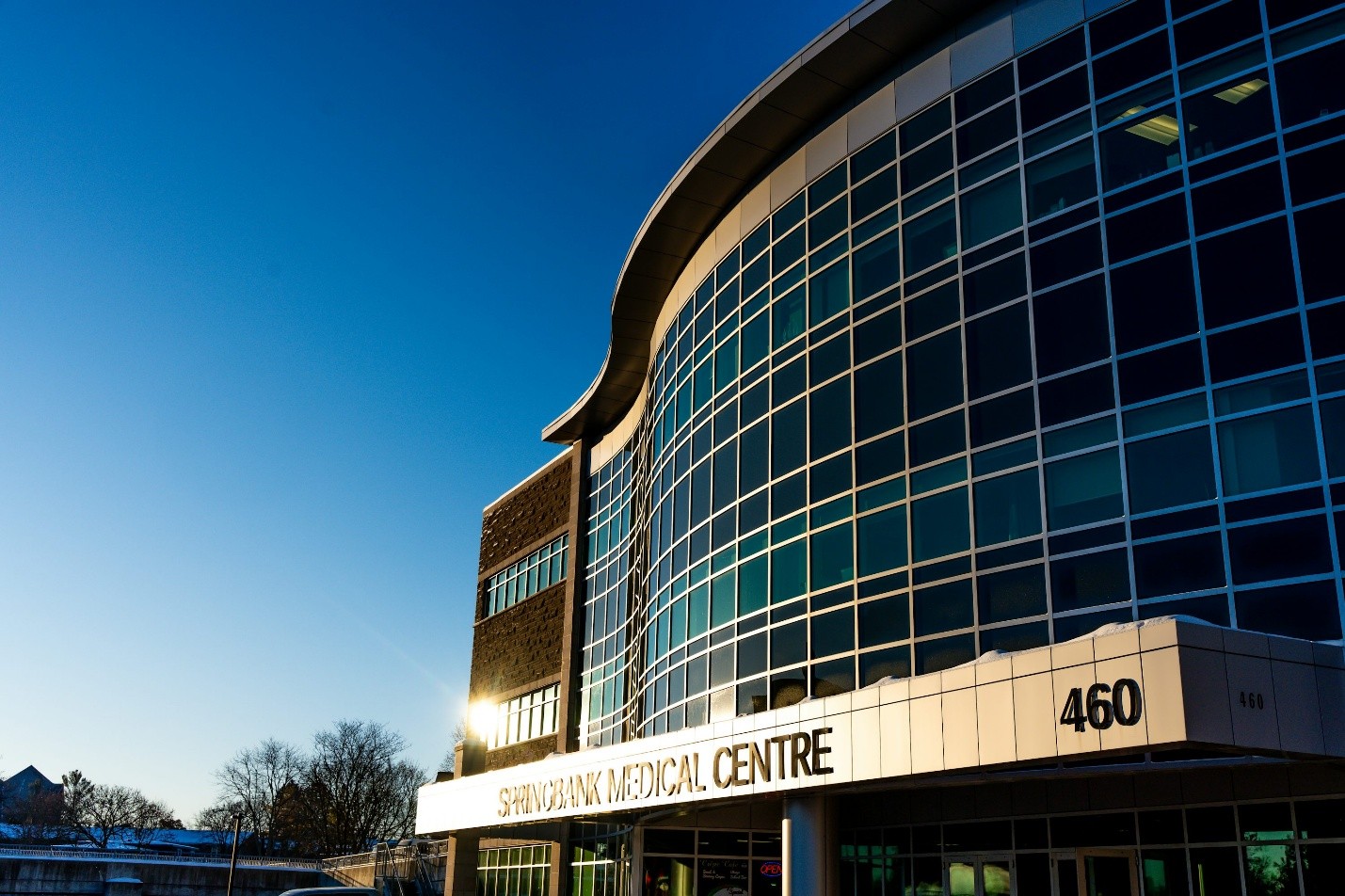
What Is Driving the Outpatient Migration?
Three forces are converging to accelerate the move away from hospital systems and toward independent, specialized outpatient platforms.
Technology is unlocking what hospitals once held exclusively. Procedures that once required inpatient admission — joint replacements, cardiac interventions, complex GI work — are now routinely performed in ambulatory surgical centers and specialty clinics. As clinical technology continues to improve, the procedural ceiling for outpatient settings rises with it. Providers no longer need the overhead of a hospital system to deliver high-acuity care.
Cost pressure is structural, not cyclical. Hospital-based care carries a cost premium that payers, employers, and patients are no longer willing to absorb quietly. CMS and commercial insurers alike have responded with site-of-service payment reforms that explicitly incentivize the migration to lower-cost settings. When reimbursement structures reward outpatient delivery, operators who have built efficient outpatient platforms capture meaningful margin advantages.
Patient expectations have permanently changed. The consumer-grade experience — convenience, transparency, speed — is now the baseline expectation in healthcare as much as in any other industry. Patients are actively choosing providers who offer shorter wait times, easier scheduling, and environments that feel designed for them rather than for a health system's operational convenience. Outpatient models built with patient experience as a design principle are structurally better positioned to meet this demand.
The Opportunity Hidden in the Complexity
The outpatient migration is well-documented. What is less often discussed is why it creates a distinct opportunity for specialized, well-capitalized platforms rather than for generalists.
Hospital systems are not disappearing — their grip on outpatient volumes is loosening at the edges, precisely in the high-value specialty areas where independent operators can compete most effectively. Men's health, urology, orthopedics, dermatology, GI, and pain management are among the specialties where independent outpatient models have demonstrated they can deliver comparable clinical outcomes at meaningfully lower cost and with higher patient satisfaction scores.
The opportunity is clearest in fragmented markets — where physician-owned practices have strong clinical reputations and loyal patient bases but have not yet built the operational infrastructure to grow. These are the businesses where disciplined capital, operational improvements, and thoughtful expansion can create durable, long-term value. That is exactly where Barritus Capital focuses.
Leadership Is the Variable That Markets Cannot Price
Most healthcare businesses are not underperforming because of weak demand. They are underperforming because of weak visibility and weak execution. That distinction matters enormously when evaluating where a platform stands and what it needs to scale.
In healthcare, the most predictable source of underperformance is not market timing or reimbursement risk — it is leadership gaps that compound over time. An operator who understands clinical care but lacks operational fluency. A management team that can run one location but struggles with the complexity of a multi-site platform. A founder who built something valuable but has not yet built the systems needed to grow it.
The language of leadership in times of change is not motivational. It is operational. It is about understanding which metrics matter, which markets to prioritize, and how to build a team that can absorb growth without losing the clinical integrity that made the platform worth building in the first place.
At Barritus Capital, this is where we spend the most time — not just evaluating financial performance, but assessing whether the leadership of a platform can grow with it. We work directly alongside founders and physicians, not above them. Favorable market dynamics are necessary. Execution is what converts them into results.
What Platform-Ready Actually Means
For healthcare operators considering a capital partnership or owners evaluating strategic options, the outpatient migration creates a real window. It also raises the bar for what being ready to grow actually means.
Strong platforms at this stage of the market typically share a few characteristics. They have a defined specialty focus and a referral network that demonstrates they have earned a position in their market. They have operational systems — scheduling, billing, clinical protocols — that can be replicated rather than rebuilt at each new location. They have financial visibility: clean reporting, an understanding of their unit economics, and a clear picture of what capital would actually unlock.
Perhaps most importantly, they have leadership that is honest about where the gaps are and collaborative enough to fill them. That is the foundation a real capital partnership is built on.
The outpatient opportunity is large. The window for first-mover positioning in many specialty categories is real. The operators who will define this generation of healthcare platforms are the ones who approach growth with the same discipline they bring to clinical care.
How Barritus Engages
Barritus Capital works with specialty outpatient operators, clinical founders, and healthcare business owners through two primary engagement models. For businesses ready for a capital partnership, we acquire and scale healthcare platforms — providing capital, operational infrastructure, and hands-on execution support. For businesses seeking to improve performance before or alongside a capital event, our Strategic Advisory practice works directly inside the business on financial visibility, revenue optimization, and operational efficiency.
Many advisory relationships evolve into long-term investment partnerships as performance improves and alignment is established.
If you are a physician, founder, broker, or advisor working with a specialty outpatient platform and are thinking through the next phase of growth, we would welcome the conversation.
.png)